Introduction
A CT chest scan is a special X-ray test that takes detailed pictures of your chest. Doctors use it to look at your lungs, heart, and other chest organs. Often, a CT chest helps find the cause of symptoms like cough, chest pain, or trouble breathing. In this blog, you will learn what a CT chest is, how it works, and what to expect during the chest CT procedure. We will also discuss CT chest preparation, benefits, risks, and safety tips.
What is a CT Chest?
A CT chest, or chest computed tomography scan, uses X-rays and a computer to create clear images of your chest. Unlike regular X-rays, a CT chest scan shows more detail. For example, it can help spot small tumors, infections, or blood clots. The scanner moves around your body and takes many pictures from different angles. Then, a computer puts these images together to give your doctor a full view of your chest.
Reasons for a CT Chest Scan
Doctors may order a CT chest scan for many reasons. Sometimes, it helps find the cause of symptoms. Other times, it checks for certain diseases or injuries. Common reasons include:
Additionally, a CT chest scan can help guide certain treatments or surgeries.
How to Prepare for a CT Chest
Proper CT chest preparation helps the scan go smoothly. Here are some steps to follow:
Most importantly, ask your doctor if you have any questions about the chest CT procedure.
The CT Chest Procedure
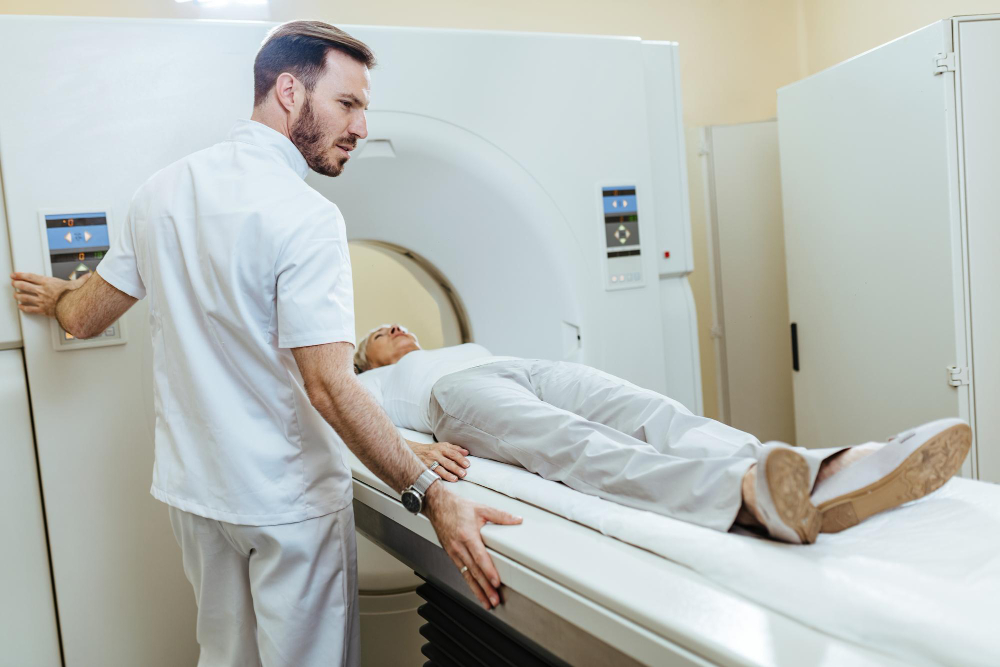
Knowing what to expect can help you feel more comfortable. Here is a step-by-step guide:
For comfort, let the staff know if you feel nervous or need help.
Benefits of a CT Chest
A CT chest scan offers many advantages. For example, it provides:
Because of these benefits, doctors often choose a CT chest scan to help plan the best treatment.
Risks and Safety Considerations
While a CT chest scan is safe for most people, there are some risks. The scan uses a small amount of radiation. However, the amount is low and usually not harmful. Still, doctors avoid unnecessary scans, especially in children and pregnant women. If you receive contrast dye, there is a small chance of an allergic reaction. Symptoms may include itching, rash, or trouble breathing. If you have kidney problems, tell your doctor before the scan. To stay safe:
According to the CDC and WHO, the benefits of a CT chest scan usually outweigh the risks when the test is needed.
After the CT Chest Scan
After your CT chest scan, you can usually go home right away. If you received contrast dye, drink plenty of water to help flush it out. Your doctor will review the images and explain the results. In most cases, you will get your results within a few days. If you have any new symptoms after the scan, such as rash or trouble breathing, contact your doctor right away.
Frequently Asked Questions
Conclusion and Call-to-Action
A CT chest scan is a safe and helpful test for many chest problems. It gives your doctor clear images to guide your care. If you have questions about CT chest risks, preparation, or the procedure itself, talk to a medical expert. Consult a radiologist or your healthcare provider for personalized guidance on CT chest scans.