
What is Frozen Shoulder?
Frozen shoulder, also called adhesive capsulitis, is a condition that causes pain and stiffness in the shoulder. Over time, the shoulder becomes hard to move. For many people, daily tasks like reaching or lifting become difficult. Although frozen shoulder can affect anyone, it is more common in people over 40 and those with diabetes. Because it can last for months or even years, finding effective treatment is important. Recently, image-guided treatments have become a helpful option for many patients.
Common Symptoms and Causes
Often, frozen shoulder starts slowly. At first, you may notice mild pain or stiffness. However, symptoms usually get worse over time. Common signs include:
In many cases, the exact cause is unknown. But sometimes, it follows an injury, surgery, or long periods of not moving the shoulder. People with diabetes, thyroid problems, or heart disease are at higher risk. In addition, women are more likely to develop frozen shoulder than men.
How is Frozen Shoulder Diagnosed?
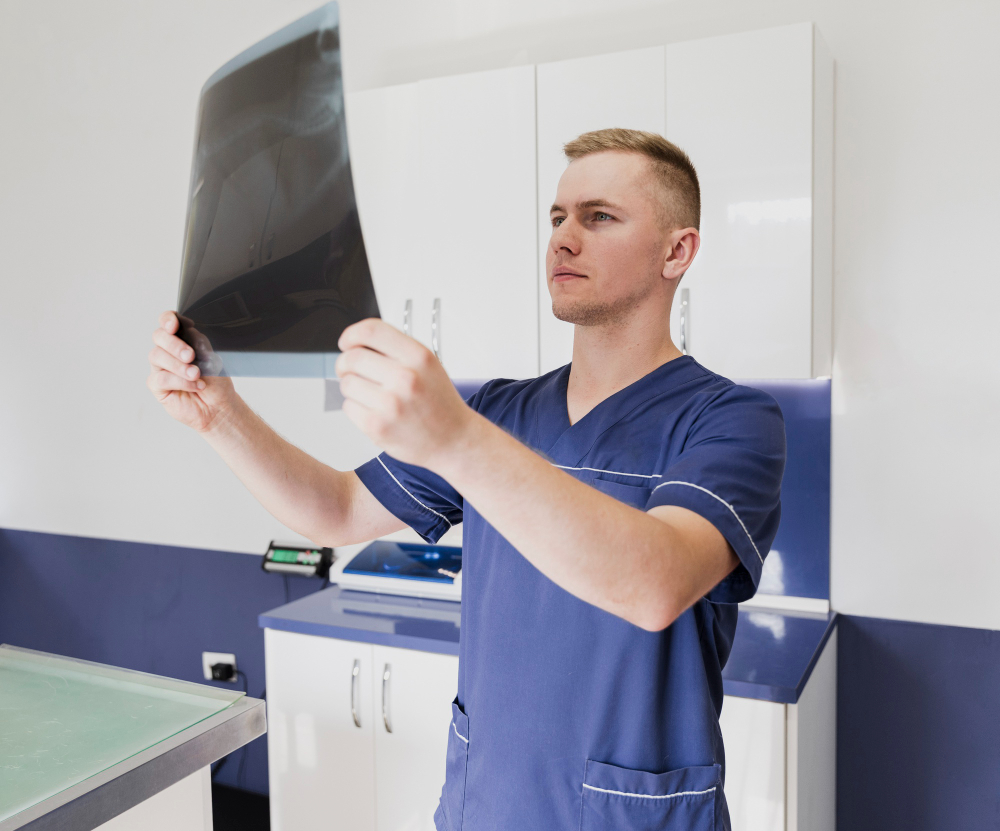
Doctors usually start with a physical exam. They check your range of motion and ask about your symptoms. However, imaging tests are often needed to confirm the diagnosis. X-rays can rule out other problems like arthritis. Ultrasound and MRI scans help doctors see the soft tissues in your shoulder. Because these tests give a clear picture, radiologists play a key role in diagnosing frozen shoulder. According to the American College of Radiology, imaging is important for planning the best treatment.
What are Image-Guided Treatments?
Image-guided treatments use special imaging tools, such as ultrasound or X-ray, to help doctors treat frozen shoulder more accurately. With these tools, doctors can see inside your shoulder in real time. This means they can guide needles or other instruments exactly where they need to go. Common image-guided treatments for frozen shoulder include:
Because these treatments are precise, they often work better than traditional methods.
Benefits of Image-Guided Treatments for Frozen Shoulder
There are many reasons to consider image-guided treatments. First, these methods are less invasive than surgery. Also, they offer faster relief from pain and stiffness. Other benefits include:
According to studies in medical journals, patients often regain movement sooner with image-guided care. In addition, these treatments can be repeated if needed.
What to Expect During Treatment
Before the procedure, your doctor will explain what will happen. Usually, you will lie down in a comfortable position. Next, the radiologist will use ultrasound or X-ray to find the right spot. After cleaning the area, a small needle is guided into your shoulder. Because imaging is used, the doctor can avoid nerves and blood vessels. Most people feel only mild discomfort. The whole process usually takes less than 30 minutes. Afterward, you may need to rest for a short time. However, many people return to normal activities within a day.
Prevention and Lifestyle Tips
While not all cases can be prevented, you can lower your risk by keeping your shoulder active. For example, gentle stretching and regular exercise help keep joints flexible. If you have diabetes or other health issues, managing them can also reduce your risk. Here are some tips:
Because early treatment works best, see a doctor if you notice pain or stiffness that does not improve.
Conclusion
Frozen shoulder can make daily life hard, but new image-guided treatments offer hope. These methods are safe, accurate, and can help you recover faster. If you have shoulder pain or stiffness, consult a radiologist or healthcare provider to learn if image-guided treatments are right for you.