
Introduction
Kidney imaging tests play a key role in the early detection of renal disease. These tests, also called renal imaging or kidney scans, help doctors find problems before symptoms appear. Early diagnosis of kidney disease can prevent serious health issues. Because kidney health is so important, knowing about these tests can help you stay healthy. In this blog, we will explain what kidney imaging tests are, why early detection matters, and how these tests work.
What Are Kidney Imaging Tests?
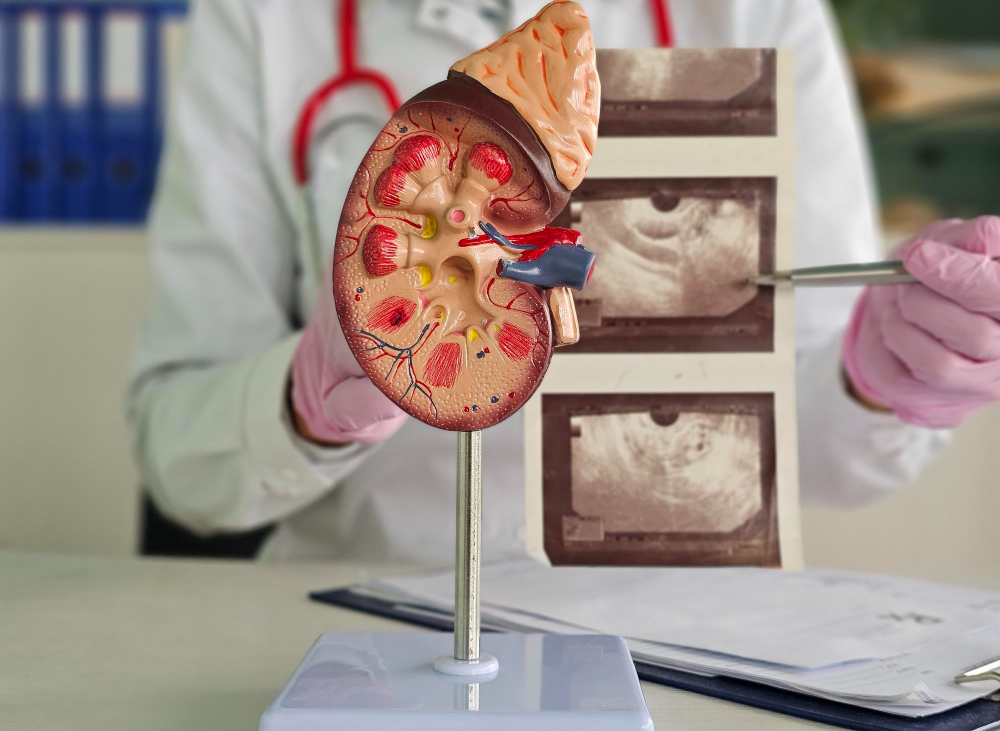
Kidney imaging tests are special scans that create pictures of your kidneys. These pictures help doctors see the size, shape, and structure of your kidneys. For example, imaging can show if there are stones, cysts, or other changes. Some common types include ultrasound, CT scan, and MRI. Each test uses different technology, but all help in checking kidney health.
Why Early Detection of Renal Disease Matters
Early detection of renal disease is very important. Often, kidney problems do not cause symptoms at first. However, if found early, treatment can start sooner. This can slow down or even stop the disease from getting worse. In addition, early care can prevent kidney failure and other health problems. For these reasons, regular kidney health screening is helpful, especially for people at risk.
Types of Kidney Imaging Tests
How Imaging Tests Help in Early Diagnosis
Imaging tests help doctors find kidney problems before symptoms start. For instance, they can spot small tumors, stones, or signs of infection. Because these tests give clear images, doctors can plan the best treatment. Early diagnosis of kidney disease means better outcomes and fewer complications. Moreover, imaging can track changes over time, helping doctors adjust care as needed.
What to Expect During a Kidney Imaging Test
Most kidney imaging tests are simple and quick. Usually, you will lie on a table while the machine takes pictures. For ultrasound, a gel is placed on your skin, and a small device moves over your back or side. For CT or MRI, you may need to hold your breath for a few seconds. Sometimes, a dye is given through a vein to make images clearer. After the test, you can usually return to normal activities right away.
Benefits and Limitations of Imaging Tests
Tips for Maintaining Kidney Health and When to Seek Testing
Keeping your kidneys healthy is important for your overall well-being. Here are some tips:
You should consider kidney health screening if you have risk factors such as:
If you notice changes in your urine, pain in your back, or swelling, talk to your doctor. Early testing can help catch problems before they become serious.
Conclusion
Kidney imaging tests are a key tool for the early detection of renal disease. Because they help find problems early, they can lead to better treatment and outcomes. If you have risk factors or symptoms, do not wait. Consult a healthcare professional for personalized advice on kidney health and early detection.